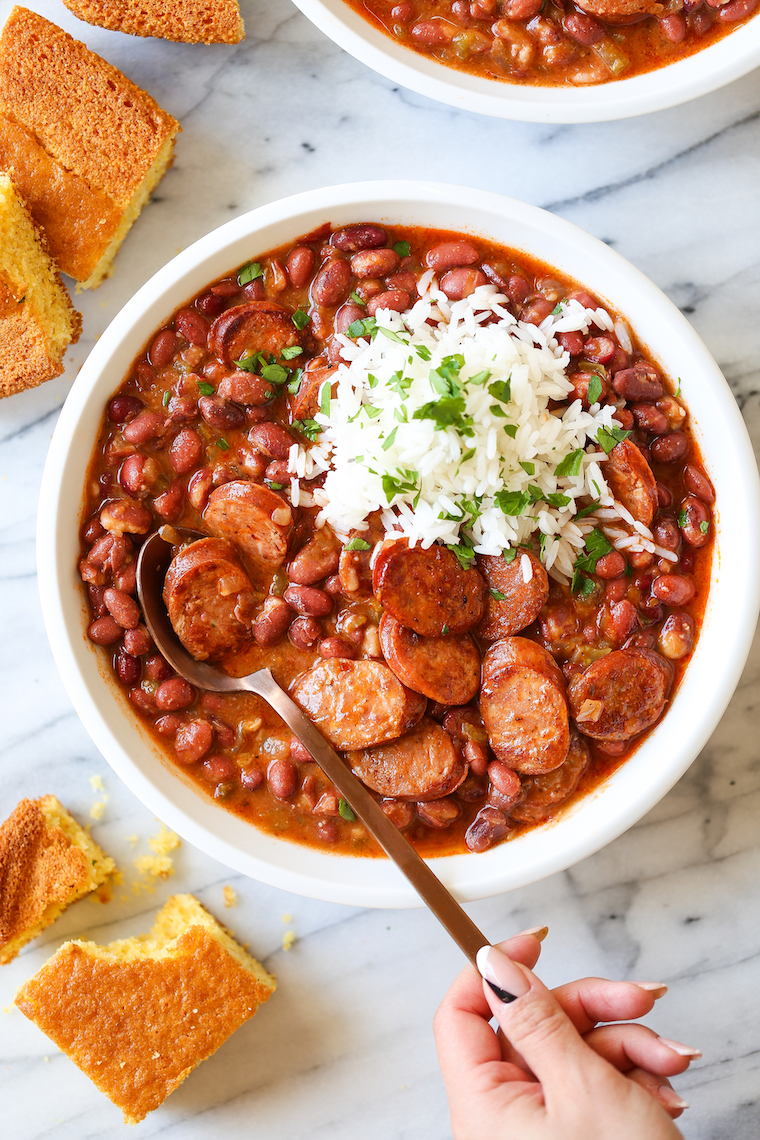
The Heart of Louisiana Cooking: Red Beans and Rice Unpacked
Few dishes evoke the soul of Louisiana quite like a comforting bowl of Red Beans and Rice. More than just a meal, it's a beloved tradition, a culinary hug that has sustained generations through everyday Mondays and festive celebrations alike. Packed with aromatic vegetables, robust spices, and plenty of savory pork, this bean stew is a staple found in bustling New Orleans restaurants, quiet home kitchens, and school cafeterias across the state. But for those embarking on their own journey to master this iconic dish, a crucial question often arises: what kind of beans should you use? The choice between dried and canned can significantly impact the final flavor, texture, and overall experience of your red beans and rice recipe.
The Enduring Legacy of Louisiana's Comfort Classic
In New Orleans, Red Beans and Rice isn't just a meal; it's a cultural cornerstone, famously served on Mondays. This tradition historically stemmed from using the leftover pork bones from Sunday dinner, allowing the flavors to meld into a rich, slow-cooked stew while laundry day unfolded. It's a testament to its enduring appeal that, amidst the rich tapestry of New Orleans' diverse cuisine, red beans and rice remains one of the few dishes equally embraced in fine dining establishments and casual family settings. From a quick school lunch or a dinner special to a fundamental offering at large gatherings like Mardi Gras or Super Bowl parties, this dish truly satisfies the masses, especially when paired with a skillet of steaming cornbread. Its ability to be both simple in its ingredients and complex in its flavor makes it a true culinary marvel. To delve deeper into its fascinating history and cultural significance, explore Red Beans & Rice: The Soul-Nourishing Dish of Louisiana Mondays.
Dried Beans: The Path to Unrivaled Creaminess and Depth
For purists and those seeking the most authentic and deeply flavorful red beans and rice recipe, dried beans are unequivocally the superior choice. While they demand a bit more time and foresight, the rewards are immeasurable. Using dried small red beans (or red kidney beans, which are often used interchangeably, though true small red beans are preferred for their size and texture) allows them to slowly absorb the rich cooking liquid, infusing every bite with the smoky essence of cured pork, the pungent notes of garlic, and the savory goodness of the "holy trinity" (onion, celery, bell pepper).
Perhaps the most compelling argument for dried beans is their unique ability to create that signature creamy consistency. As dried beans cook, they slowly release their starches into the broth, naturally thickening the stew into a luxurious, velvety sauce that perfectly coats a bed of white rice. This is a texture simply unattainable with pre-cooked canned beans. While some recipes suggest cooking dried beans without soaking, most experts agree that an overnight soak (or a quick-soak method) is beneficial. Soaking helps the beans cook more evenly, reduces overall cooking time, and contributes to a creamier, more consistent texture. Omitting the soak can extend cooking time by several hours and may result in a less uniformly tender bean.
When cooking with dried beans, don't shy away from hearty cuts of pork like a smoked ham hock, tasso, or slab bacon. These ingredients render fat and infuse the beans with incredible depth over hours of simmering. For detailed guidance on achieving this perfect consistency, refer to Authentic Red Beans and Rice: Achieve That Creamy Louisiana Texture.
The Convenience Factor: Crafting Red Beans and Rice with Canned Beans
Life in the modern world can be hectic, and sometimes, the luxury of slow cooking isn't available. This is where canned beans become a culinary hero. While dried beans offer an unparalleled depth, a delicious and satisfying red beans and rice recipe can absolutely be achieved using canned beans, especially when you need a quick shortcut.
The key to success with canned beans lies in making appropriate adjustments to the traditional recipe. Since canned beans are already cooked, they don't require the long simmering time needed to tenderize dried beans or extract their starches for thickening. Here's how to adapt your recipe:
- Quantity: For a typical batch, use about 4 cans of small red beans or red kidney beans, ensuring they are thoroughly drained and rinsed to remove excess sodium and any canning liquid.
- Pork Adjustments: Since you won't be simmering for hours, a ham hock won't have enough time to render its flavor fully. Instead, opt for ½ cup of diced ham, bacon, or a smoky sausage like andouille, adding it in with your aromatics (onion, celery, bell pepper). This allows for quicker flavor infusion.
- Liquid Reduction: With less cooking time and no need to rehydrate beans, the amount of liquid must be significantly reduced. Start with about 2 cups of chicken broth, adding just enough water to barely cover the ingredients. You can always add more liquid later if needed, but it's harder to reduce.
- Simmer Time: After combining your ingredients, simmer the beans, uncovered, for about 30 minutes. This crucial step allows the flavors to meld beautifully and any excess liquid to evaporate, preventing a watery result.
While the texture might be slightly less creamy than with dried beans, and the depth of flavor a bit milder, a well-seasoned canned bean version can still be incredibly comforting and a fantastic weeknight meal option.
Beyond the Beans: Essential Elements for a Stellar Red Beans and Rice Recipe
Regardless of whether you choose dried or canned beans, several other elements are critical for a truly outstanding red beans and rice recipe:
Consistency is Key
Your red beans and rice should never be thin or watery. The ideal consistency is thick, creamy, and spoon-coating. This luscious texture, particularly with dried beans, comes from the natural starches released during simmering. If your beans seem too thin, simmering them uncovered for the last 30 minutes (or longer, if needed) is paramount. This allows moisture to evaporate and the starches to concentrate, creating that perfect stew-like thickness.
Pork Power: The Soul of the Dish
The salty, smoky pork components are non-negotiable. Ham hocks provide deep flavor and a luscious mouthfeel; tasso offers a spicy kick; andouille sausage contributes a distinctive smoky, garlicky spice. Even bacon or salt pork can lay a foundational layer of flavor. Don't skimp on these ingredients, as they are integral to the dish's identity.
Aromatic Foundation: The Holy Trinity
The culinary backbone of Louisiana cuisine, the "Holy Trinity" of diced onion, celery, and bell pepper, is essential. These vegetables provide a sweet, savory, and fresh base that enhances all the other flavors.
Seasoning Savvy
Beyond salt and pepper, common spices like bay leaves, dried thyme, cayenne pepper (for a touch of heat), garlic powder, and onion powder are vital for building complex layers of flavor. Taste as you go and adjust seasonings to your preference.
Make-Ahead Magic
Like many hearty stews and chilis, red beans and rice only improves with time. Making it a day ahead allows the flavors to deepen and meld, resulting in an even more delicious meal. Simply cool completely before storing in the refrigerator. When ready to serve, reheat gently on the stovetop or in a slow cooker, adding a splash of water or broth if it has thickened too much.
Serving Suggestions
Always serve your red beans and rice over hot, fluffy white rice. A dash of your favorite hot sauce and a side of cornbread are traditional and highly recommended accompaniments.
The Verdict: A Choice for Every Cook
Ultimately, the choice between dried and canned beans for your red beans and rice recipe comes down to a balance of time, preference, and desired outcome. If you have the patience and seek the deepest flavor and most authentic, creamy texture, dried beans are undeniably the way to go. The slow simmer and natural starch release create a rich, soul-satisfying experience that truly embodies the spirit of Louisiana cooking. However, if you're short on time but still crave that comforting taste, canned beans offer a fantastic shortcut, allowing you to enjoy a delicious rendition of this classic with far less effort.
No matter your choice, crafting a bowl of red beans and rice is a rewarding culinary journey. It’s a dish that teaches patience, celebrates flavor, and brings people together around the table. So, roll up your sleeves, pick your beans, and prepare to unlock the incredible flavor of this beloved Southern staple.
