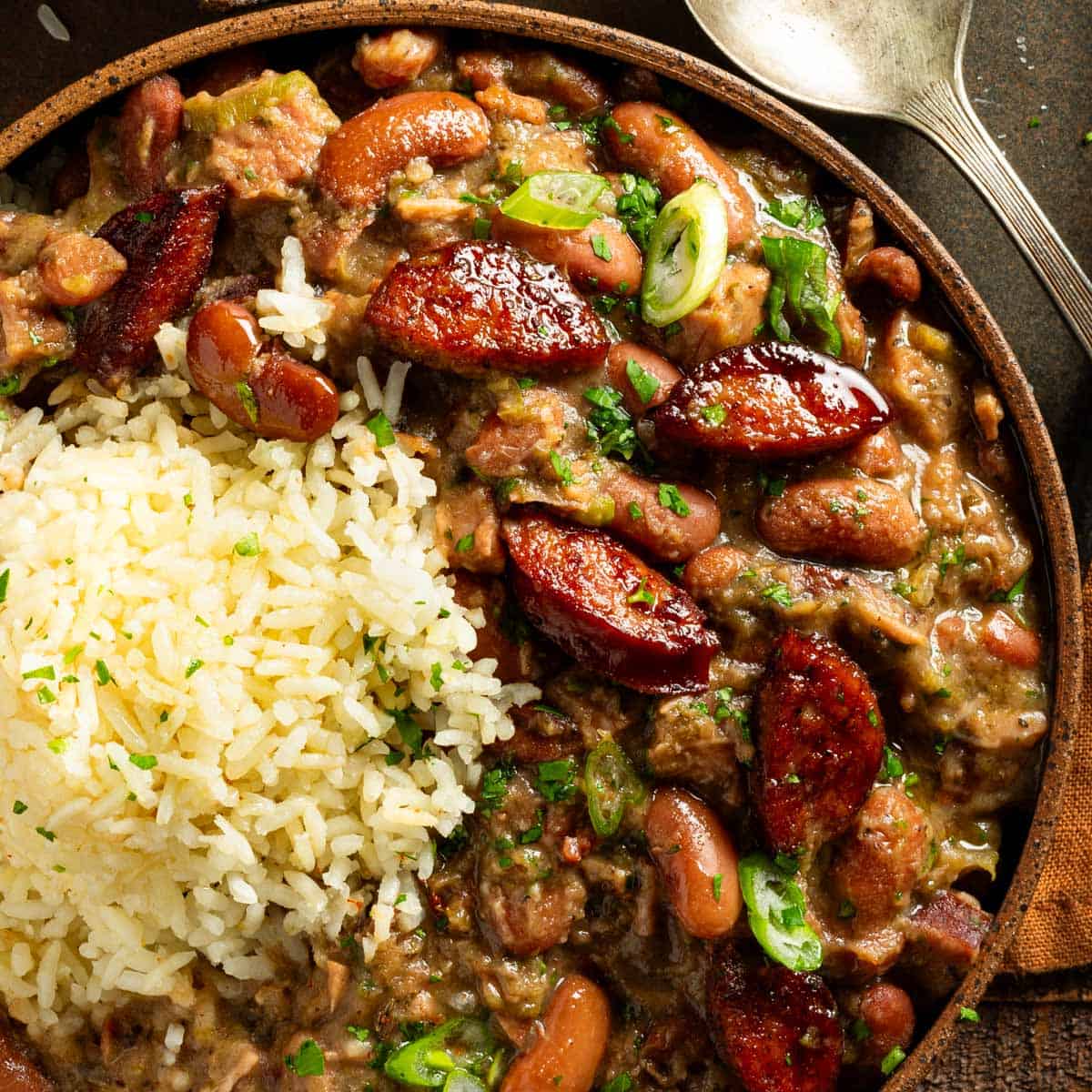
There's a reason why, when you mention New Orleans cuisine, alongside gumbos and jambalayas, the conversation almost always turns to red beans and rice. This isn't just a simple bean dish; it's a culinary cornerstone, a soul-satisfying stew that embodies the heart of Louisiana cooking. More than just a meal, it's a tradition, a Monday ritual born from resourceful cooks utilizing the leftover pork bones from Sunday dinner. But what truly elevates an authentic red beans and rice recipe from merely good to absolutely sublime is its signature creamy texture – a luscious, velvety consistency that perfectly blankets fluffy white rice.
The Soul of Louisiana on a Plate: Why Red Beans and Rice Endures
In a city famed for its rich and diverse culinary landscape, it’s a testament to its enduring appeal that red beans and rice holds such a cherished place. This robust bean stew, brimming with aromatic vegetables, savory spices, and plenty of salty pork, is as versatile as it is beloved. You'll find it gracing tables in bustling New Orleans restaurants, served as a comforting school lunch, featured as a popular dinner special, and sustaining crowds at grand gatherings like Mardi Gras or Super Bowl parties. It’s a dish that truly feeds the masses, often accompanied by a skillet of steaming cornbread, offering warmth and satisfaction in every spoonful.
The tradition of serving red beans and rice on Mondays is rooted in practicality and community. Historically, Monday was laundry day, and a dish that could simmer gently on the stove for hours, requiring minimal active attention, was a godsend. It also made ingenious use of the ham hocks or other pork scraps left over from Sunday's feast. This cultural significance highlights not just its deliciousness but its deep connection to the rhythm of life in Louisiana. To dive deeper into this fascinating tradition, check out our article: Red Beans & Rice: The Soul-Nourishing Dish of Louisiana Mondays.
Despite its complex, smoky, spicy, and profoundly comforting flavor profile, the core ingredients for an authentic red beans and rice recipe are surprisingly simple: beans, the "holy trinity" of vegetables (onion, celery, bell pepper), cured pork, and sausage. The secret lies not in exotic components, but in the patient art of marrying these humble ingredients into something truly extraordinary.
Unlocking That Signature Creamy Texture
The hallmark of truly exceptional red beans and rice is its creamy, thick consistency. It should never be thin or watery, but rather a rich, almost gravy-like stew that clings beautifully to each grain of rice. This coveted texture isn't achieved by adding cream or flour; it's a natural marvel, stemming directly from the beans themselves.
The Magic of Starch Release
As red beans cook slowly over an extended period, they begin to break down, releasing their natural starch into the cooking liquid. This process, coupled with proper agitation (gentle stirring throughout the cooking process), helps to thicken the stew naturally. The more the beans soften and some are gently mashed against the side of the pot, the more starch is introduced, contributing to that velvety mouthfeel.
The Crucial Uncovered Simmer
Perhaps the most critical step in achieving the ideal creamy texture is the final simmering phase. After the beans have cooked through and are tender, allowing them to simmer uncovered for the last 30 minutes (or even longer, depending on your desired thickness) is absolutely essential. This allows excess water to evaporate, concentrating the flavors and allowing the starches released by the beans to thicken the stew. It's during this period that the liquid transforms from a brothy consistency into the rich, luscious sauce that defines authentic red beans and rice.
Choosing Your Beans and Meats for Authenticity
While the basic principles remain, the choice of beans and the quality of your pork products significantly influence both the flavor and texture of your homemade red beans and rice. When tackling a genuine red beans and rice recipe, these foundational decisions are key.
Dried vs. Canned: The Texture Trade-Off
For the absolute best flavor and, crucially, that deeply creamy texture, dried small red beans or red kidney beans are the undisputed champions. While they demand more time, their ability to slowly release starch and absorb flavors from the pot is unmatched. Soaking them overnight, though sometimes debated, significantly reduces cooking time and promotes more even cooking, leading to a consistently creamy result.
However, if time is a constraint, canned beans offer a convenient shortcut. If opting for canned, use four cans of small red beans or red kidney beans, ensuring they are thoroughly drained and rinsed. Because canned beans are already cooked, your cooking time will be drastically reduced. This means:
- Omit the long-cooking ham hock. Instead, use about ½ cup of diced ham or bacon, adding it with your andouille sausage.
- Reduce the liquid significantly. Start with just 2 cups of chicken broth and enough water to barely cover the ingredients.
- Simmer, uncovered, for about 30 minutes, allowing flavors to meld and the liquid to thicken.
For a deeper dive into the nuances of choosing your beans, explore our dedicated article: Dried or Canned? Unlock the Best Red Beans and Rice Flavor.
The Meaty Heart: Pork and Sausage
The savory depth of red beans and rice largely comes from its rich pork components. Traditional recipes often feature:
- Ham Hocks: These smoky, bony cuts are the backbone of flavor when using dried beans. They slowly release their collagen and saltiness, enriching the entire dish.
- Andouille Sausage: A spicy, smoked pork sausage, andouille is non-negotiable for that authentic Louisiana kick. Slice it into coins and brown it slightly before adding it to the pot.
- Other Pork Options: Some recipes might incorporate pickled pork, tasso (a spicy cured ham), or even slab bacon for additional layers of smoky, salty goodness.
Building Flavor: Aromatics and Spices
Beyond the beans and pork, the soul of this dish is built on a foundation of aromatic vegetables and carefully selected spices. This combination creates a complex, harmonious flavor profile that distinguishes a truly authentic red beans and rice recipe.
The Holy Trinity and Garlic
No Louisiana dish is complete without the "Holy Trinity": diced onion, celery, and green bell pepper. These vegetables are sautéed until softened, forming the aromatic base that everything else builds upon. Adding a generous amount of minced garlic shortly after the trinity has cooked down further enhances this foundational flavor, imparting a pungent sweetness that is essential.
Classic Spice Profile
While personal preferences vary slightly, a classic red beans and rice typically includes:
- Bay Leaves: For an earthy, slightly minty note.
- Dried Thyme: A quintessential herb in Southern and Cajun cooking, adding a subtle, savory depth.
- Cayenne Pepper: To provide that signature New Orleans heat. Adjust to your spice preference.
- Freshly Ground Black Pepper: For a sharp, peppery bite.
- Smoked Paprika (optional but recommended): While not strictly traditional in all recipes, a touch of smoked paprika can amplify the smoky notes from the ham hock and sausage, adding another layer of depth.
Pro Tip: Sautéing your aromatics until they are very tender, almost translucent, and scraping up any browned bits from the bottom of the pot (known as "deglazing") is crucial. This step unlocks their full flavor potential and incorporates all those delicious browned fond into your stew.
Master Your Red Beans and Rice Recipe: Expert Tips for Success
Achieving that perfect pot of red beans and rice is a journey, but with a few expert tips, you'll be simmering like a seasoned Louisiana cook in no time.
- Patience is Your Best Ingredient: True authenticity comes from slow cooking. Resist the urge to rush the process. Low and slow heat allows flavors to meld and beans to become incredibly tender and creamy.
- Stir Regularly, but Gently: Especially during the last hour of cooking, stir the beans periodically to prevent sticking and to encourage some beans to break down, contributing to the creamy texture. Don't mash aggressively, just let the natural process unfold.
- Season as You Go: Taste your beans throughout the cooking process. Remember that the ham hock and sausage contribute a lot of salt. Adjust seasonings, especially salt, cayenne, and black pepper, towards the end to ensure a perfectly balanced flavor.
- Make-Ahead Magic: Just like a rich chili or hearty stew, red beans and rice only improve with time. Making them a day ahead is a win-win, allowing flavors to deepen and meld even further.
- Allow the beans to cool completely before storing them in an airtight container in the refrigerator.
- This makes for an amazing make-ahead meal for parties or potlucks.
- To reheat, gently warm the beans on the stove or in a slow cooker set to low. If they seem too thick, add a splash of water or chicken broth to reach your desired consistency.
- Serving Suggestions: Always serve your creamy red beans over hot, fluffy white rice. Don't forget a side of steaming cornbread or crusty French bread for soaking up every last drop of that incredible sauce. A dash of your favorite hot sauce and a sprinkle of chopped green onions or fresh parsley for garnish adds a fresh, vibrant finish.
Conclusion
Crafting authentic, creamy red beans and rice is more than just following a set of instructions; it's about embracing a culinary tradition, understanding the ingredients, and allowing time to work its magic. By prioritizing dried beans, savoring the slow simmer, and paying attention to the crucial uncovered cooking phase, you can achieve that soul-nourishing dish with the perfect, luscious Louisiana texture. This iconic red beans and rice recipe offers a comforting embrace that truly brings a taste of New Orleans right to your kitchen. So gather your ingredients, set aside some time, and prepare to be rewarded with a meal that's rich in flavor, history, and pure satisfaction.
